By Meshack M. Ngangi, MPRSK | 12th February 2026
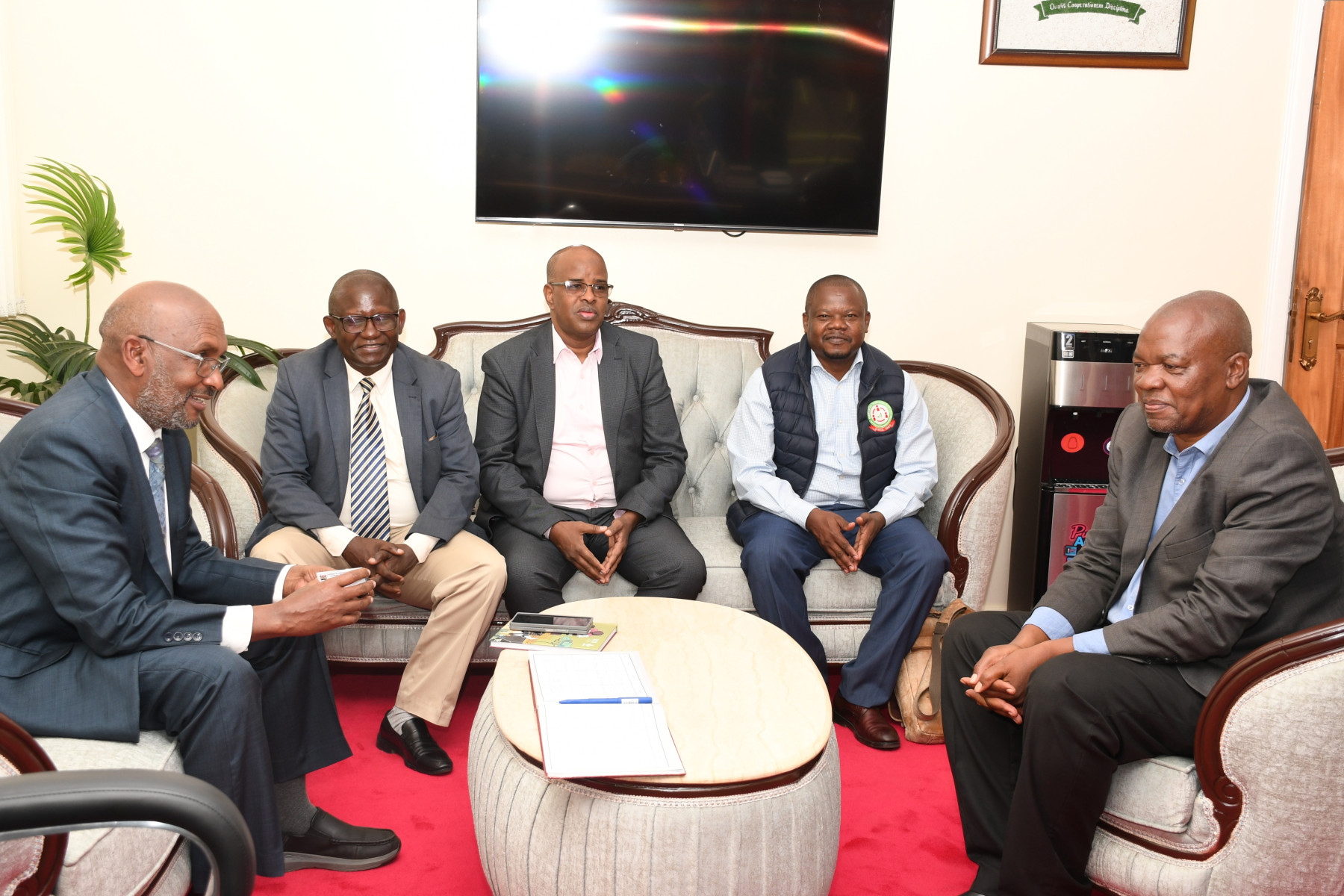
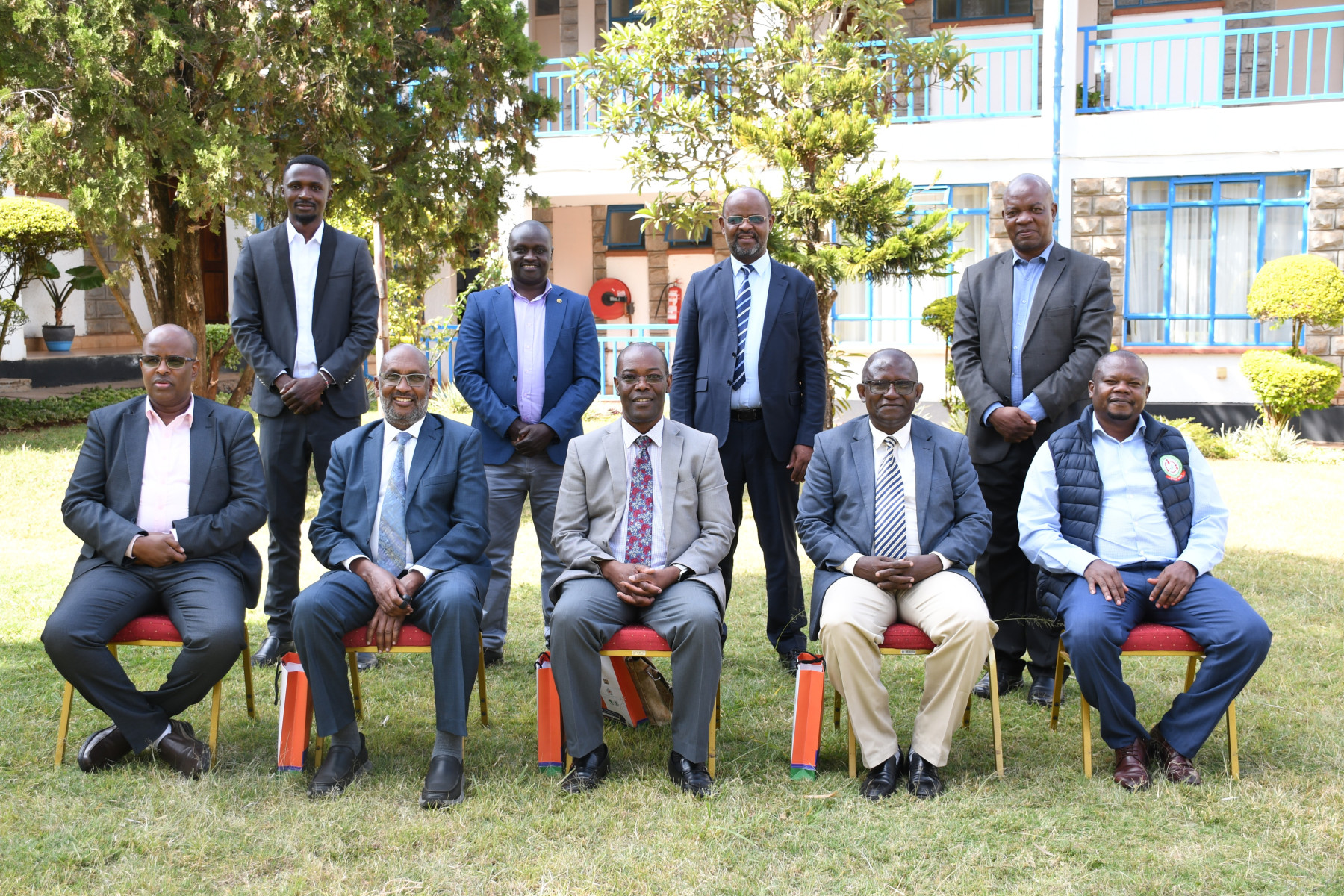
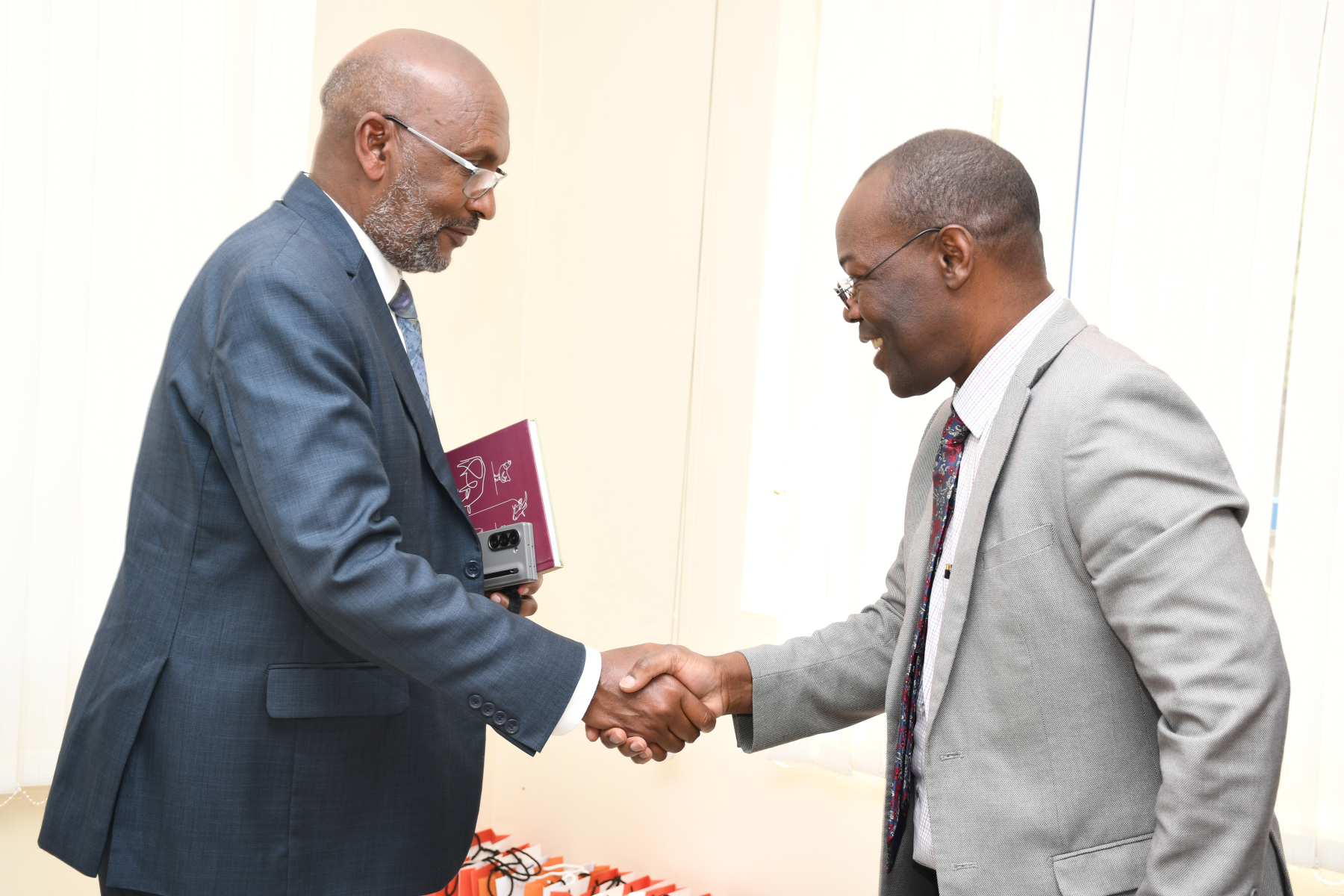
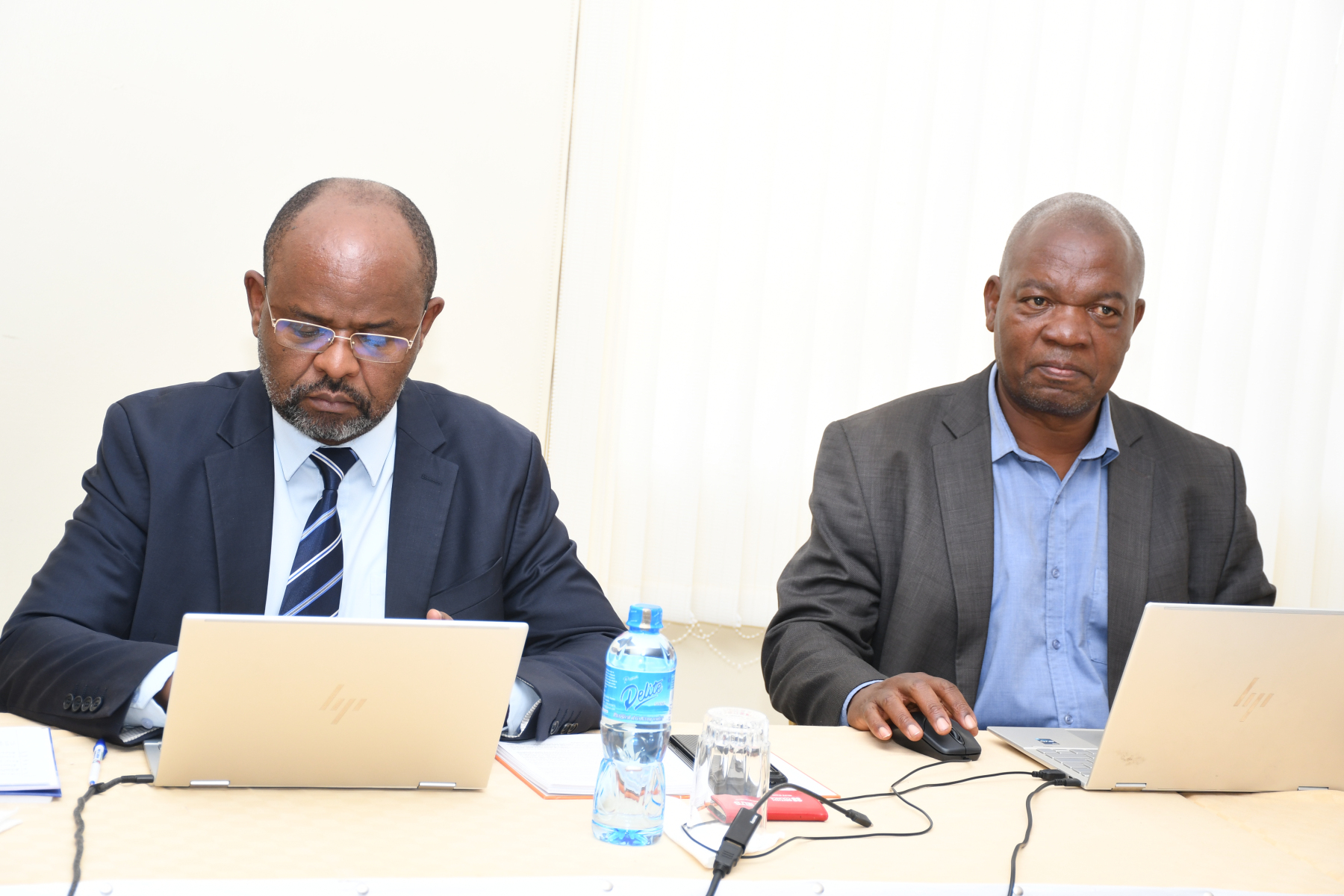
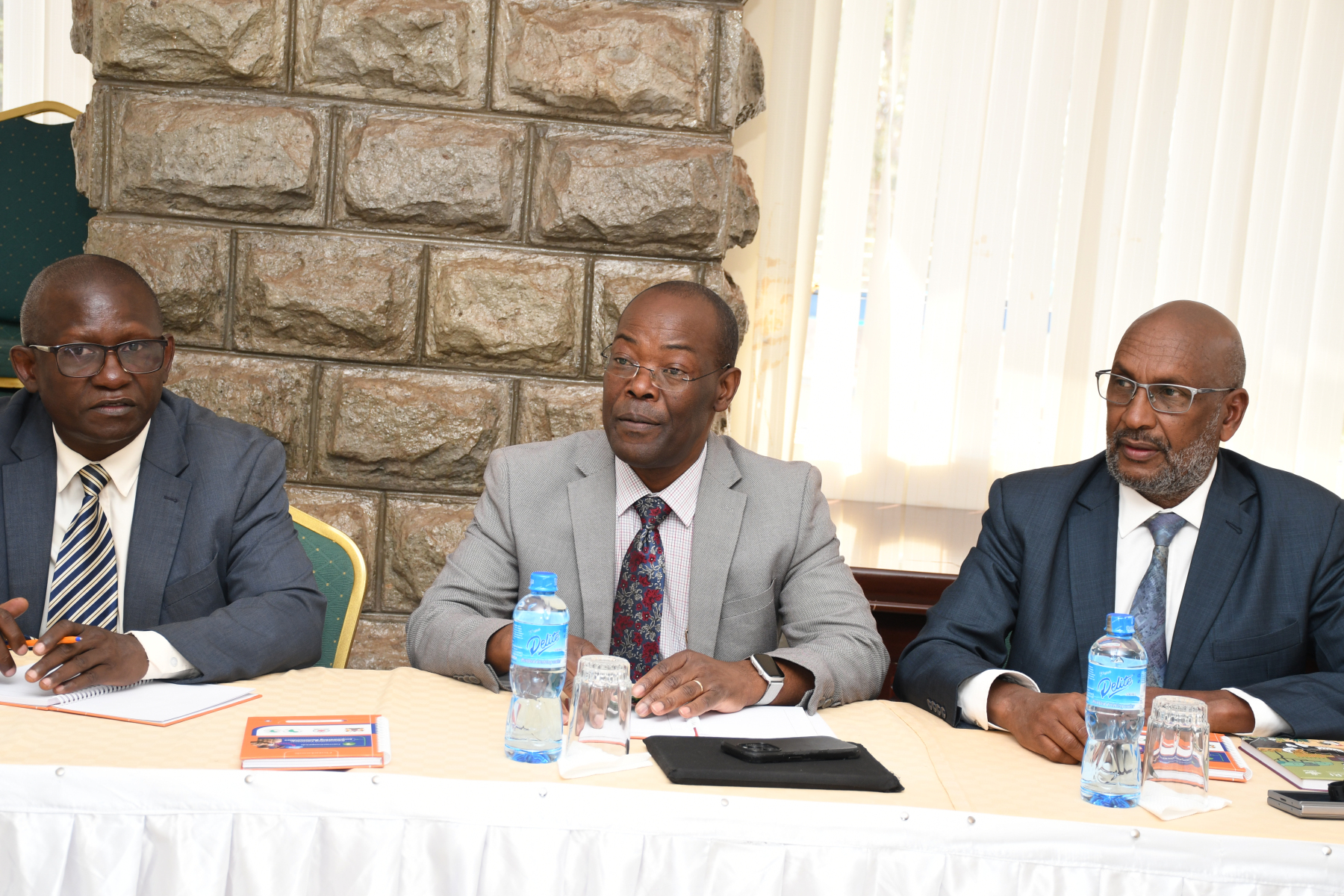
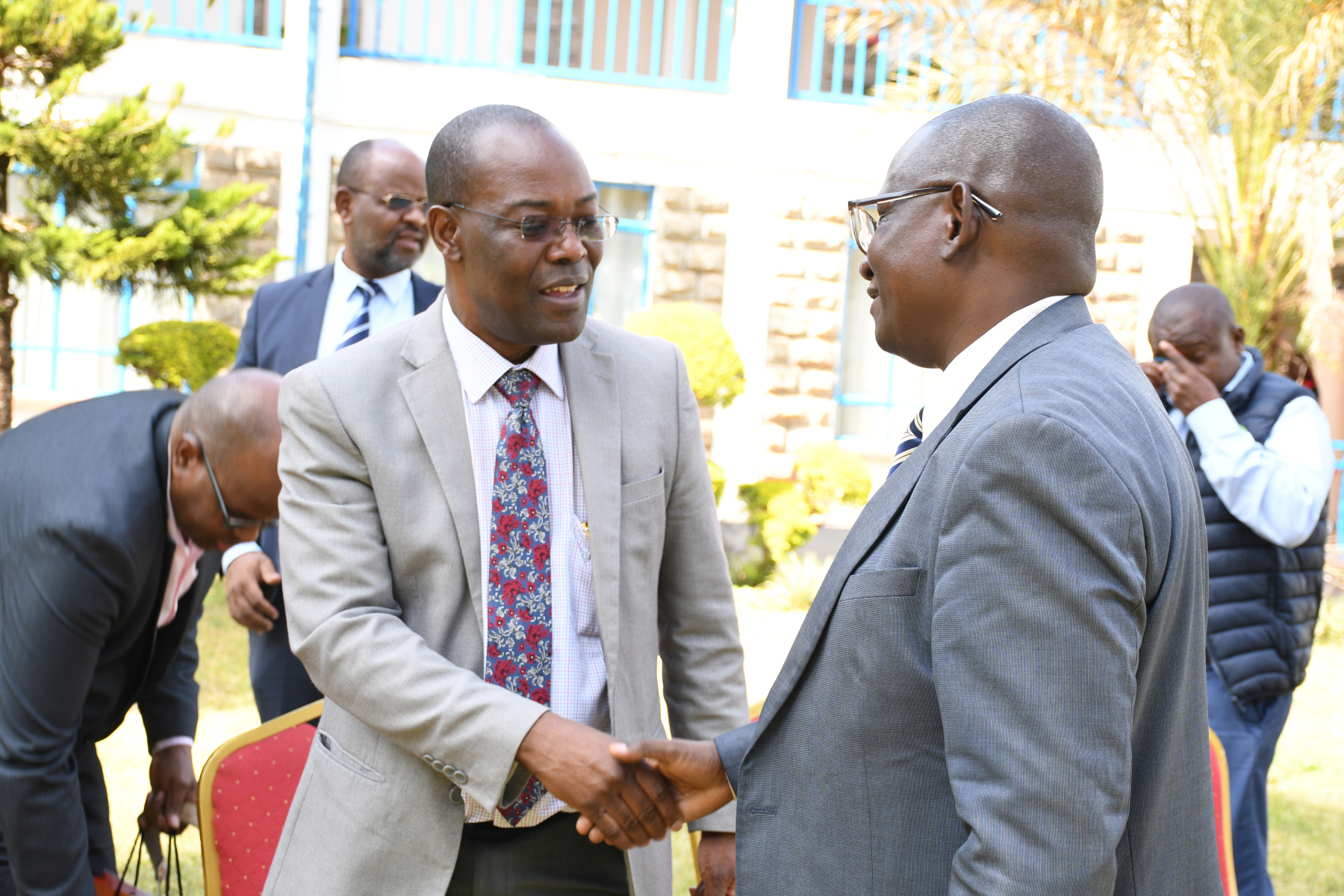
The Co-operative University of Kenya (CUK) hosted a delegation from the National Livestock Development and Promotion Services (NLDPS) at its Main Campus in Karen, to chart a collaborative path for advancing livestock cooperative development in Kenya. The meeting underscored a shared commitment to transforming the livestock sector through structured cooperatives, research, innovation, and strengthened governance frameworks.

Welcoming the NLDPS delegation, which was led by Board Chairperson Hon. Mohamed Ibrahim Elmi, CUK’s Deputy Vice-Chancellor of Academic, Co-operative Development, Research, and Innovation (ACDRI), Prof. Isaac K. Nyamongo, reaffirmed the university’s dedication to supporting national livestock transformation. He emphasized the institution’s role in driving research, building capacity, and fostering innovation to enhance the performance and sustainability of livestock cooperatives. In his opening remarks, Hon. Elmi articulated a forward-looking vision for Kenya’s livestock sector, stressing that structured cooperative systems would be essential to achieving meaningful and inclusive growth.
Prof. Nyamongo highlighted the strategic importance of Kenya’s Arid and Semi-Arid Lands (ASALs), which are home to more than 70% of the country’s livestock population. These regions form a central focus of the National Livestock Cooperative Development Initiative (NLCDI), a government-backed program jointly spearheaded by NLDPS, the State Department of Cooperatives, and the State Department of Livestock. The initiative seeks to organize pastoralist communities into market-oriented cooperatives capable of improving productivity and household incomes. Its relevance is further underscored by the designation of 2026 as the UN International Year of Rangelands and Pastoralists (IYRP2026), a global recognition of the importance of pastoral systems. During the meeting, The Co-operative University of Kenya’s role as a technical partner in NLCDI was formally affirmed, with the University tasked with developing training curricula and governance frameworks aimed at strengthening livestock cooperatives and unlocking their full economic potential.
NLDPS Chief Executive Officer Dr. Richard Kyuma commended CUK for its longstanding and significant contribution to Kenya’s cooperative movement, describing the university’s impact in building a robust sector as remarkable. Prof. Wycliffe Oboka, Director of CUK’s Institute of Co-operative Development, elaborated on the university’s capacity-building strategy under NLCDI. He outlined plans to implement tailored training modules, reinforce governance systems, and provide institutional support designed to professionalize and scale up livestock cooperatives. These measures closely reflect national policy directions, including recent cooperative reforms that prioritize training, sound governance, and the adoption of information and communication technologies to enhance cooperative performance and accountability.
Digital innovation also featured prominently in the discussions. Prof. Kennedy Waweru, Director of Research and Innovation at CUK, introduced a proposed digital database known as PLCM, intended to streamline cooperative management. The platform would centralize cooperative data, improving membership records, livestock identification, traceability, monitoring, and coordination among societies. By linking livestock registries and production metrics to broader value-chain databases, the system would enable real-time monitoring of disease outbreaks, market trends, and performance indicators. The proposed platform aligns with Kenya’s national Animal Identification and Traceability (ANITRAC) System, which envisions integrated electronic identification and data management systems to ensure farm-to-fork traceability and enhance asset security. Within the cooperative context, PLCM was presented as a practical mechanism for operationalizing traceability at the grassroots level.
The discussions took place against the backdrop of an evolving and supportive policy and regulatory environment. In 2020, Kenya adopted a new National Cooperative Policy titled “Promoting Cooperatives for Socio-Economic Transformation,” which laid the foundation for strengthened governance and oversight within the sector. The proposed 2023 Cooperative Societies Bill builds on this framework, including provisions such as the reintroduction of a Commissioner of Co-operatives to safeguard members’ interests and improve institutional performance. The policy framework places particular emphasis on smallholder agriculture, including livestock, intending to enable farmers to aggregate production more effectively through well-governed cooperatives. Similarly, the 2020 Livestock Policy calls for modernization and commercialization of the sector through research, value addition, and enhanced coordination between national and county governments.