ngangi

CUK’s ISERC Induction Workshop

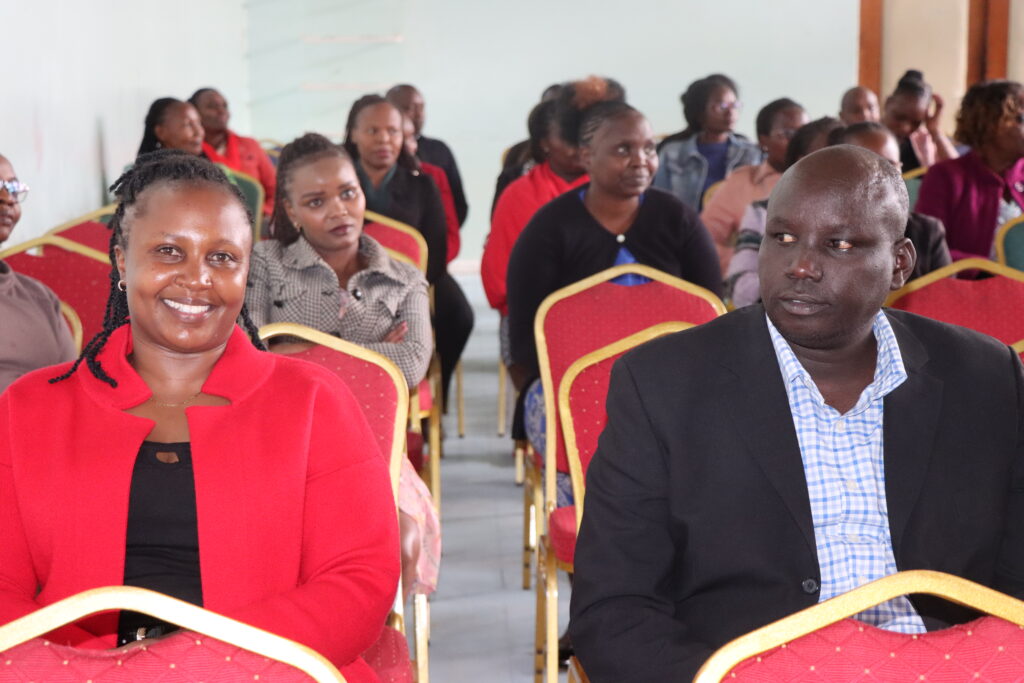
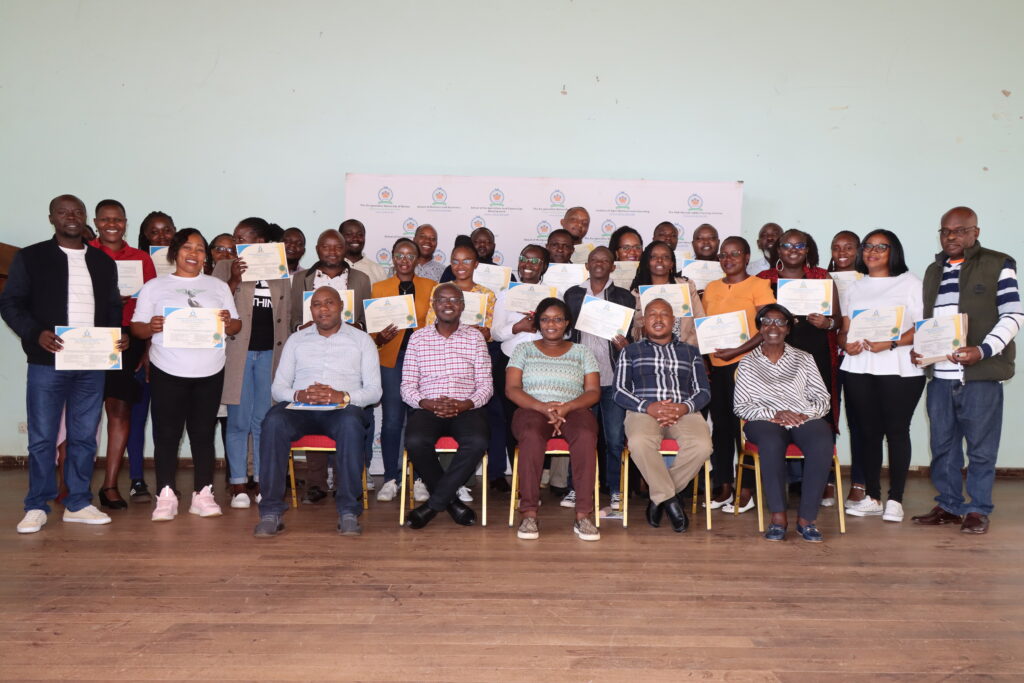
By Cornelius W. Ngalame| May 17, 2025 Our Deputy Vice-Chancellor (ACDRI), Prof. Isaac Nyamongo, presided over an induction exercise for The Co-operative University of Kenya’s Institutional Scientific Ethics Review Committee (CUK–ISERC) members. This institutional committee, which is under the chairmanship of Dr. Obadia Okinda, is an independent and recognised entity accredited by the National Commission for Science and Technology (NACOSTI) that evaluates research proposals on both scientific and ethical grounds, encompassing academic, applied, actionable, and standalone research submissions. This committee operates within institutions like universities, hospitals, and research organizations, ensuring research involving humans, animals, or their data adheres to ethical standards, safeguarding participants’ rights, dignity, safety, and well-being. It reviews proposals to monitor compliance and align with national and international ethical guidelines, such as Kenya’s Science, Technology, and Innovation Act of 2013 and NACOSTI’s accreditation standards. The primary role of CUK–ISERC is to ensure that The Co-operative University of Kenya and researchers who choose us uphold the most rigorous ethical standards in research and development. The CUK–ISERC achieves this by conscientiously reviewing research proposals involving interactions with study participants and data collection throughout the project. Researchers at CUK submit proposals through the CUK-ISERC online platform, which streamlines the review process. The Committee convenes regularly, with the primary intention of greenlighting the submitted proposals. Research proposals for review span both social and humanities fields, including but not limited to basic research, translational research, cooperatives and community research, gender studies, and anthropological research.

CUK’s ISERC Induction Workshop Read More »

Nigerian Co-operators’ Benchmark Visit

By Meshack M. Ngangi | May 7, 2025 The Co-operative University of Kenya (CUK) had the esteemed honour of hosting a distinguished delegation from the Federal Republic of Nigeria for a comprehensive three-day benchmarking visit. This high-level mission, held under the auspices of the Vice Chancellor, Professor Kamau Ngamau, focused on critical areas of co-operative development, management, financing, and capacity building. The visit signifies a deepening of regional collaboration in the cooperative sector and reflects the increasing continental recognition of the University’s leadership in cooperative education and practice. The Nigerian delegation was led by Dr. Ibrahim Awwal and comprised senior officials drawn from the country’s cooperative institutions and policymaking bodies. Accompanying them were top-ranking representatives from Nigeria’s State Department of Cooperatives. Their visit was a strategic undertaking aimed at engaging with Kenya’s well-established cooperative framework, and in particular, learning from the experiences and institutional strengths of CUK—the country’s foremost centre for cooperative education, research, and consultancy. The consultative engagements held at the university highlighted deliberate and strategic efforts to promote knowledge-sharing and the exchange of best practices within Africa’s cooperative sector. The discussions focused on Kenya’s longstanding tradition and success in applying the cooperative business model as a powerful tool for rural development, social transformation, and economic empowerment. The Nigerian delegation expressed keen interest in how Kenya has institutionalized cooperative training and how such models might be adapted to enhance cooperative growth and sustainability in their home country. The Vice Chancellor, Professor Kamau Ngamau, reaffirmed the University’s commitment to fostering regional partnerships that strengthen the cooperative movement across the African continent. He emphasized the institution’s role not only as a centre of academic excellence but also as a catalyst for community-driven economic models that empower grassroots populations. This benchmarking visit is a testament to CUK’s growing influence as a beacon of cooperative advancement in Africa. It reinforces the University’s mission to professionally inspire, mentor, and support the development of dynamic, inclusive, and resilient cooperative enterprises that are responsive to the socio-economic needs of African communities. The visit by the Nigerian delegation is a notable milestone in regional cooperation and underscores the transformative potential of collaborative learning initiatives in the cooperative sector.

Nigerian Co-operators’ Benchmark Visit Read More »

CUK Signs MOU with AGF

By Meshack M. Ngangi | May 3, 2025 The Co-operative University of Kenya (CUK) signed a Memorandum of Understanding (MoU) with the African Guarantee Fund (AGF) in the presence of the newly installed Chancellor, Dr. Benard William Chitunga. The memorandum between the two premier institutions in higher education and finance, respectively, underscores the need to co-create programmes that strengthen the co-operative movement to contribute more than the current 45-47% of Kenya’s Gross Domestic Product (GDP). Also, the forged relationship will benefit the University’s students and faculty through research grants funded by AGF.  Speaking at the occasion, African Guarantee Fund Group CEO, Jules Ngankam, noted that this partnership with CUK seeks to improve accessibility to capital and resources, and capacity-building for Micro, Small and Medium Enterprises (MSMEs) by working closely with SACCOs and cooperative institutions, which form part of the larger cooperative movement. He emphasized that this partnership will play a key role in job creation and equity development, thus fostering the country’s economic growth. Chancellor Dr. Benard William Chitunga highlighted that the co-operative stimulus programme is domiciled within the Chancellor’s Legacy Programme and seeks to enhance the University’s role of empowering communities through cooperative training. Dr. Chitunga emphasised that The Co-operative University of Kenya has the mandate to support the co-operative movement across the country, expressing his gratitude for the opportunity granted to serve the University by His Excellency Dr. William Samoei Ruto and the support the Ministry of Education and the Office of the Attorney General have accorded towards the ratification of the engagement.

CUK Signs MOU with AGF Read More »

Simple User Interface (SUI) Blockchain Workshop

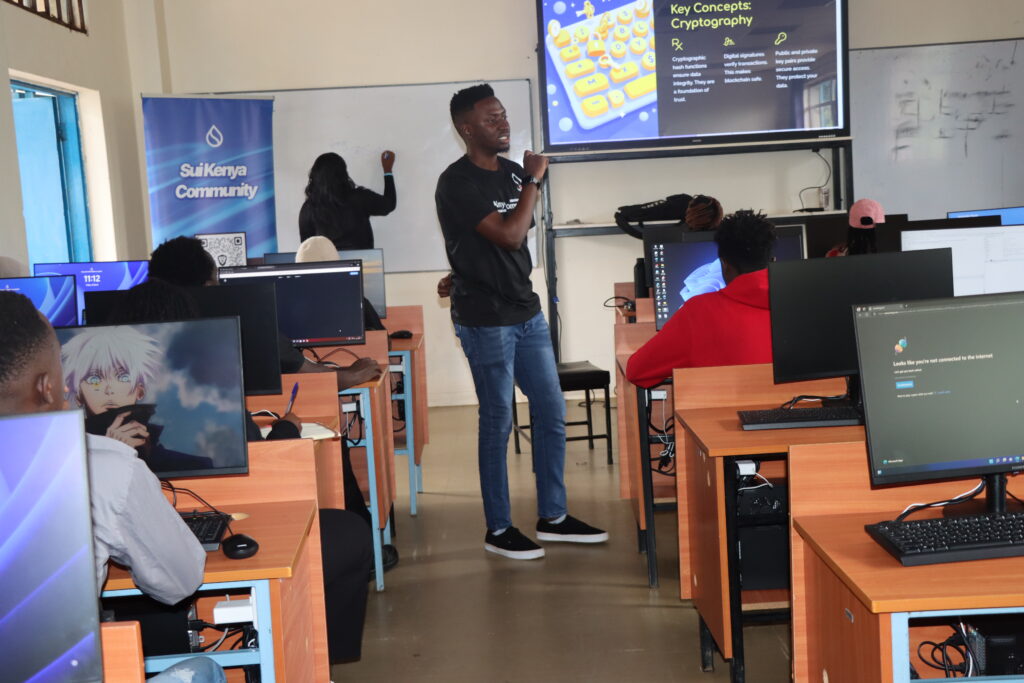
By Meshack M. Ngangi | Friday, March 21, 2025 The University’s Google Developer Students Club (GDSC) recently hosted an insightful workshop on blockchain technology, focusing on the Simple User Interface (SUI) blockchain technology. This training session, conducted by trainers from the Sui Kenya Community led by Ms. Aurelia Mutua, provided attendees with a deep dive into Web3 concepts, the Move programming language, and the unique benefits of the SUI blockchain. The workshop began with an introduction to Web3, the next evolution of the internet that aims to create a decentralized web. Participants gained insights on blockchain fundamentals, smart contracts, and how Web3 differs from traditional Web2 systems. The session highlighted how decentralization enhances security, transparency, and user ownership over digital assets. An essential segment of the training focused on Move programming, a language specifically designed for safe and efficient smart contracts. Move is known for its strong security features, preventing common vulnerabilities like reentrancy attacks. Attendees explored how Move enables developers to build scalable and secure applications on the SUI blockchain, ensuring seamless transactions and interactions. The SUI blockchain stands out due to its high scalability, low latency, and user-friendly design. The tech Workshop outlined several key advantages, including parallel execution, which significantly improves speed and scalability, and an object-centric model that makes asset management more efficient and intuitive. Additionally, SUI offers a developer- and user-friendly experience with Move programming and a simplified interface, along with lower gas fees due to its optimized infrastructure, making it an attractive option for developers and businesses. Participants engaged in hands-on coding sessions and demonstrations on how to build simple, smart contracts and deploy them on the SUI testnet. The interactive format of the workshop allowed students to apply their newfound knowledge in real time while also facilitating networking opportunities among blockchain enthusiasts, developers, and experts. The GDSC members—students from the School of Computing and Mathematics, led by the event organizer, Ms. Ruth Kwara, particularly benefited from this training as upcoming blockchain enthusiasts. The workshop provided them with valuable insights and practical skills, helping them prepare for future careers in blockchain development. The SUI blockchain workshop at The Co-operative University of Kenya was a valuable learning experience, equipping our computing students with the tech skills needed to navigate the Web3 ecosystem. As blockchain technology continues to evolve, platforms like SUI will play a crucial role in fostering innovation and adoption.

Simple User Interface (SUI) Blockchain Workshop Read More »

Understanding Family Law: A Guide for University Staff on the Marriage Act 2014, Matrimonial Property Act 2013, and the Law of Succession in Kenya

By Meshack M. Ngangi | Thursday, March 20, 2025 Family law governs many aspects of our personal lives, yet few people fully understand its implications until disputes arise. The Marriage Act 2014, the Matrimonial Property Act 2013, and the Law of Succession Act play a crucial role in defining rights and responsibilities regarding marriage, property ownership, and inheritance in Kenya. The office of the Deputy Vice Chancellor in the Finance, Planning and Administration (FPA) underscored the essence of every university staff, whether married, single, or planning for the future, to be aware of these legal frameworks to safeguard one’s rights and ensure compliance with the law as outlined in the Constitution of Kenya 2010. According to a presentation by Mr. Clinton G. Nyamongo, the officer in charge of the University’s legal services, the Marriage Act 2014 provides a structured legal framework for different types of marriages. It recognizes five forms of marriage: civil, customary, Christian, Hindu, and Islamic marriages, each with specific requirements. One of the fundamental provisions of this law is that all marriages must be registered to be legally recognized. The Act also sets the minimum age for marriage at 18 years, making child marriages illegal. Furthermore, it requires that both parties give free and informed consent, ensuring that forced marriages are prohibited. In terms of marital arrangements, the law dictates that civil, Christian, and Hindu marriages are monogamous, meaning one can only have one spouse. However, customary and Islamic marriages allow polygamy, provided the traditions governing such unions permit it. When it comes to dissolving a marriage, the law outlines legal grounds for divorce, including adultery, cruelty, desertion, and irretrievable breakdown of the marriage. Understanding these provisions is crucial for university staff as it provides clarity on marriage registration, rights within marriage, and legal avenues for resolving disputes. The Matrimonial Property Act 2013, which defines property ownership within a marriage, is closely related to marriage law. Under this Act, matrimonial property includes the family home, household goods, and any property acquired jointly during marriage. “One of the most important aspects of this law is that it recognizes both monetary and non-monetary contributions in determining ownership rights,” explained Mr. Nyamongo. This means that even if one spouse was not directly involved in financial contributions, their role in managing the home, raising children, or supporting the family is legally acknowledged when dividing property. In cases of divorce, property is divided based on each spouse’s contribution, whether financial or otherwise. This is particularly important for university staff who may be investing in property during their marriage, as it ensures they understand their rights and obligations concerning shared assets. Beyond marriage and property, the Law of Succession Act governs inheritance in Kenya, ensuring a clear legal framework for distributing property after death. Succession can either be testate, where the deceased has left a valid will, or intestate, where no will exists. Mr. Clinton Nyamongo added, “A well-drafted will allows an individual to distribute their property according to their wishes, minimizing potential conflicts among family members. If a person dies without a will, inheritance follows the legal structure set out in the Act, prioritizing spouses, children, and other dependents before considering extended family members.” The law ensures that dependents are protected and that property is fairly distributed among rightful heirs. Estate planning is an essential step for university staff to consider, as it helps prevent inheritance disputes. Writing a will, ensuring joint property ownership is well documented, and understanding legal rights in inheritance matters can help secure one’s legacy. Without a will, families often face lengthy and costly legal battles that could have been avoided with proper planning. In conclusion, understanding these three key laws—the Marriage Act 2014, the Matrimonial Property Act 2013, and the Law of Succession Act—is crucial for university staff. By being aware of legal requirements, rights, and responsibilities, individuals can make informed decisions about their marriages, property ownership, and inheritance planning. It is advisable to consult a qualified Advocate of the High Court of Kenya for professional guidance on any legal concerns related to these matters. Proactively engaging with these legal provisions ensures that individuals can protect their rights, secure their property, and plan their estates with confidence.

Understanding Family Law: A Guide for University Staff on the Marriage Act 2014, Matrimonial Property Act 2013, and the Law of Succession in Kenya Read More »

CUK Hosts a Capacity Building Workshop for the I-TVET Staff

By Meshack M. Ngangi | Friday, March 14, 2025 The rapid evolution of the education industry demands and the growing need for skilled labour in Kenya have placed significant emphasis on the quality of Technical and Vocational Education and Training (TVET). To ensure the effectiveness of TVET programs offered in the University TVET Institutes and other institutions, the Technical and Vocational Education and Training Authority (TVETA) plays a crucial role in regulation and accreditation processes. Institutions need to adopt effective Internal Quality Assurance (IQA) systems, Competency-Based Education and Training (CBET) frameworks, and Competency-Based Education and Training Assessment (CBETA) methodologies. In light of this, The Co-operative University of Kenya’s Institute of Technical and Vocational Education and Training (I-TVET) organized a capacity-building workshop between 10th and 14th March 2025, under the auspices of TVETA, to equip TVET staff with the necessary knowledge and skills to enhance curriculum delivery and assessment. Speaking at the opening ceremony on Monday, 10th March  2025, the CUK-ITVET Director, Dr. Daniel Lang’at said, “This five-day workshop is aimed at strengthening participants’ understanding of Internal Quality Assurance (IQA) mechanisms in TVET institutions in line with TVETA standards, enhance knowledge of Competency-Based Education and Training (CBET) models and their implementation as prescribed by TVETA, and provide practical insights into Competency-Based Education and Training Assessment (CBETA) approaches in compliance with TVETA regulations.” Additionally, it sought to improve the capacity of TVET staff to align training programs with industry needs and Kenya’s National Qualifications Framework (KNQF) while fostering collaboration and experience-sharing among TVET professionals within the TVETA framework. Dr. Calvins Were elaborated to the participants through one of the key areas of Internal Quality Assurance (IQA) in TVET institutions, emphasizing its importance in ensuring the credibility of training programs. The staff from I-TVET explored how to establish and maintain effective IQA systems as per TVETA requirements, the role of TVETA in accreditation, compliance, and monitoring, and strategies for continuous improvement to meet national and international quality standards. Another critical theme explored by Dr. Were was the overview of Competency-Based Education and Training (CBET) and Assessment processes, where discussions focused on understanding CBET principles and their relevance to industry-driven education in Kenya. The workshop addressed the development of competency-based curricula under TVETA guidelines, integration of workplace-based learning into CBET programs, and engagement of industry stakeholders in curriculum development and implementation. Ms. Janice Bogita explored in detail Competency-Based Training (CBET), focusing on the key principles of CBET and how they align with TVETA’s assessment standards. Participants gained insights into the development of training and assessment tools to measure competence based on TVETA-approved standards, strategies for formative and summative assessment in CBET, and methods to ensure reliability and validity in competency-based training. Moreover, the workshop introduced concepts of TVET quality assurance and its benefits, emphasizing continuous monitoring and evaluation to ensure that training programs meet the required standards. Accreditation and certification under TVETA were highlighted as key factors in maintaining institutional credibility, improving funding opportunities, and increasing enrollment. The workshop facilitator, Ms. Janice Bogita, also addressed the quality assurance cycle and ability models, detailing how institutions can systematically enhance training quality. The quality assurance cycle includes planning, implementation, monitoring and evaluation, and review and improvement. These steps ensure that objectives, policies, and standards are well established and consistently refined. Furthermore, ability models in TVET were discussed, focusing on knowledge-based, skill-based, competency-based, and adaptive models that ensure a well-rounded education for learners to meet industry needs. Another key aspect explored by Ms. Bibiana Otieno during the workshop was the Input, Process, and Output (IPO) model, which serves as a fundamental framework for evaluating the effectiveness of TVET programs. The input phase includes the resources required for training, such as curriculum, facilities, instructional materials, trainers, and student entry qualifications. The process phase focuses on how training is delivered, incorporating teaching methodologies, assessments, workplace-based learning, and adherence to CBET principles. Finally, the output phase examines the outcomes of training programs, including the competency levels of graduates, employability rates, industry satisfaction, and certification under TVETA. By understanding and implementing the IPO model, TVET institutions can enhance the efficiency and effectiveness of their training programs while ensuring alignment with national and industry needs. As explained by Mr. Alfred Mwanzia, to ensure a hands-on learning experience, the workshop employed interactive and participatory methods, including expert presentations by TVETA officials and education specialists, group discussions to encourage peer learning, case studies and practical exercises to apply knowledge in real-world scenarios, and panel discussions that facilitated dialogue between TVET staff, policymakers, and industry representatives. By the end of the workshop, participants had gained a deeper understanding of IQA, CBET, and CBETA within the context of TVETA regulations. They also developed actionable strategies to enhance quality assurance mechanisms in their institutions, strengthened their ability to implement CBET effectively, acquired practical skills in developing and conducting competency-based assessments, and established professional networks for ongoing knowledge sharing and collaboration. The capacity-building workshop on IQA, CBET, and CBETA under TVETA marked a significant step for CUK’s I-TVET toward improving the quality of TVET programs. By equipping TVET staff with the necessary tools and methodologies, the University invested in enhancing their training effectiveness, ensuring that Diploma and Certificate graduates meet industry standards, and contribute to national economic development under the Bottom-up Economic Transformation Agenda (BETA).

CUK Hosts a Capacity Building Workshop for the I-TVET Staff Read More »

CUK Hosts India’s NEDAC Delegation

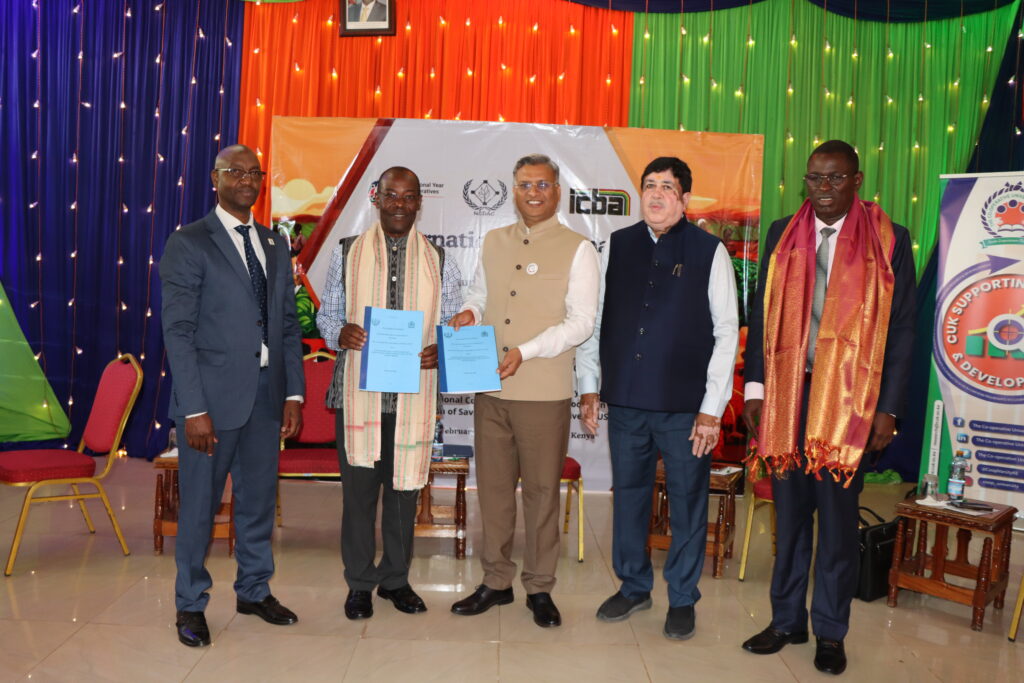
By Victor J. Njogu | February 27, 2025 The Co-operative University of Kenya hosted a high-impact seminar that brought together experts and policymakers to discuss the role of cooperatives in food security, rural development, and global collaboration. The event featured a delegation from India’s Network for the Development of Agricultural Cooperatives in Asia and the Pacific (NEDAC). A key highlight was the signing of the CUK-NEDAC collaboration agreement, aimed at strengthening partnerships for cooperative growth. The Chief Guest at the occasion, Mr. David Obonyo,  the Commissioner for Cooperatives in the Ministry of Co-operatives and MSMEs Development, emphasized that cooperatives are a key pillar in Kenya’s economic transformation and a major driver of the government’s Bottom-up Economic Transformation Agenda (BETA). Acting Vice-Chancellor Prof. Isaac Nyamongo reaffirmed the University’s commitment to fostering impactful collaborations with both local and international partners to advance the cooperative agenda, particularly as 2025 marks the International Year of Cooperatives (IYC).

CUK Hosts India’s NEDAC Delegation Read More »

Chancellor’s Inaugural Visit: A Homecoming of Inspiration

By Meshack M. Ngangi | January 30, 2025 The Co-operative University of Kenya’s community was excited as it welcomed the newly appointed Chancellor, Dr. Bernard William Chitunga, on his inaugural visit. This was no ordinary occasion—it was a homecoming filled with emotion, nostalgia, and an inspiring reminder of the power of perseverance. Once a junior staff member serving as an Assistant Programmes Officer at the University’s Agri and Co-operative Training and Consultancy (ATC) Services Ltd, the Chancellor’s rise to the titular head of the institution was a testament to dedication and growth. His return was met with admiration, pride, and an overwhelming feeling of possibility for both staff and students. The Chancellor’s appointment, effective 10th January 2025, was made by His Excellency Dr. William Samoei Ruto, President of the Republic of Kenya, and officially gazetted, marking a significant milestone in his distinguished career. He is the second Chancellor to be appointed since the university was chartered in October 2016, succeeding the late Hon. Joseph Nyagah, the institution’s inaugural Chancellor. His leadership is expected to usher in a new era of transformation and excellence for CUK. Beyond his zeal to elevate the institution’s status, Dr. Bernard William Chitunga has established strong international ties with world economic powers such as China. These connections are expected to open doors for strategic partnerships, research collaborations, and infrastructural advancements that will further elevate the university’s global standing. Before this role, he served as Head of Partnerships, Donors, and Special Projects at the African Development Bank (AfDB), showcasing his exceptional leadership across Africa.  With a passion for education and development, Dr. Chitunga’s academic journey culminated with a doctoral thesis at Selinus University. His motto, “Son of Chegulo and Africa,” reflects his deep connection to his heritage and his commitment to advancing Africa’s progress. Dr. Chitunga envisions establishing strong partnerships for infrastructural and academic developments, ensuring the university remains at the forefront of innovation and excellence. The Chancellor was met with enthusiastic applause as he arrived on campus, greeted by the university’s Vice-Chancellor Prof. Kamau Ngamau, Deputy Vice-Chancellor—Finance, Planning, and Administration Prof. Esther Gicheru, Deputy Vice-Chancellor—Academic, Co-operative Development, Research, and Innovation Prof. Isaac K. Nyamongo, senior management, faculty members, and staff. The atmosphere was electric as colleagues and former mentors exchanged warm words, reflecting on his early days within the institution. Many long-serving employees fondly shared memories of working alongside him, recalling his commitment, attention to detail, and the camaraderie he fostered. As the Chancellor walked through the university’s halls, now in a position of leadership, the moment underscored a remarkable full-circle journey. During his tour of the university’s key facilities—including lecture halls, the cutting-edge environmental laboratories for the School of Co-operative and Community Development, advanced computer laboratories in the School of Computing and Mathematics, and outstanding Agri and Co-operative Training and Consultancy (ATC) Services Ltd—the Chancellor made it a priority to engage with staff. He listened intently to their concerns, celebrated their successes, and reassured them of his commitment to advancing the university’s academic and infrastructural growth. One of the most significant moments of the visit was the Chancellor’s meeting with the University Council. In an impactful speech, Dr. Bernard W. Chitunga spoke about the need for cooperative courage—the ability to stand together in the face of challenges, embrace opportunities, and collaborate toward common goals and the achievement of the University’s mission. He emphasized that the future of The Co-operative University of Kenya depends on teamwork, adaptability, and a shared vision of excellence, the very tenets that form the foundation upon which our core values are derived. In the discourses, the Chancellor emphasized harnessing the “cooperative courage” to scale up the University to incredible heights of excellence as a world-class institution of higher learning. Present at the meeting were Council Members: Ms. Christine Kariuki, a representative of the PS State Department for Higher Education and Research; Ms. Susan Kariuki, a representative of the PS National Treasury; Ms. Elizabeth Kimkung; Mr. John W. Kihara; Ms. Peris Onsarigo, Mr. Christopher  Ogechi Ombati, the Council Secretary & Vice Chancellor Prof. Kamau Ngamau, PhD, EBS. Additionally, the Chancellor addressed pressing concerns related to facilities and infrastructure, highlighting the need for continued investment in modernizing classrooms, laboratories, and student accommodations. Dr. Chitunga emphasized that a university’s strength is not only in its people but also in its ability to provide cutting-edge resources that foster innovation and academic excellence. Perhaps the most moving part of the visit was the Chancellor’s speech to the staff. His words resonated deeply as he recounted his journey from a junior staff member to his current role. He reflected on the values that shaped him—hard work, perseverance, and an unwavering belief in education’s transformative power. “Standing before you today, I am reminded of my humble beginnings within these very walls. This journey has been one of resilience and continuous learning. Let this be a reminder that every role in this institution, no matter how small it may seem, is significant in building a thriving academic environment,” said the Chancellor, Dr. Bernard William Chitunga. His words were met with nods of agreement and bursts of applause as staff members felt both seen and inspired. He went on to outline his vision for the university, pledging to champion academic excellence, prioritize staff development, and advocate for improved welfare. He assured everyone that his leadership would focus on fostering a collaborative, inclusive, and empowering work environment. In addition to discussing cooperative courage, the Chancellor also spoke passionately about cooperative genius—the collective intelligence and creativity that emerge when individuals work together toward a shared vision of CUK. He encouraged staff to harness their diverse skills and ideas to drive innovation and excellence, and make The Co-operative University of Kenya a university of excellence in education, research, innovation, and cooperative training.
Chancellor’s Inaugural Visit: A Homecoming of Inspiration Read More »

An Exclusive Interview with Ms. Julia Beideck, DAAD Scholar

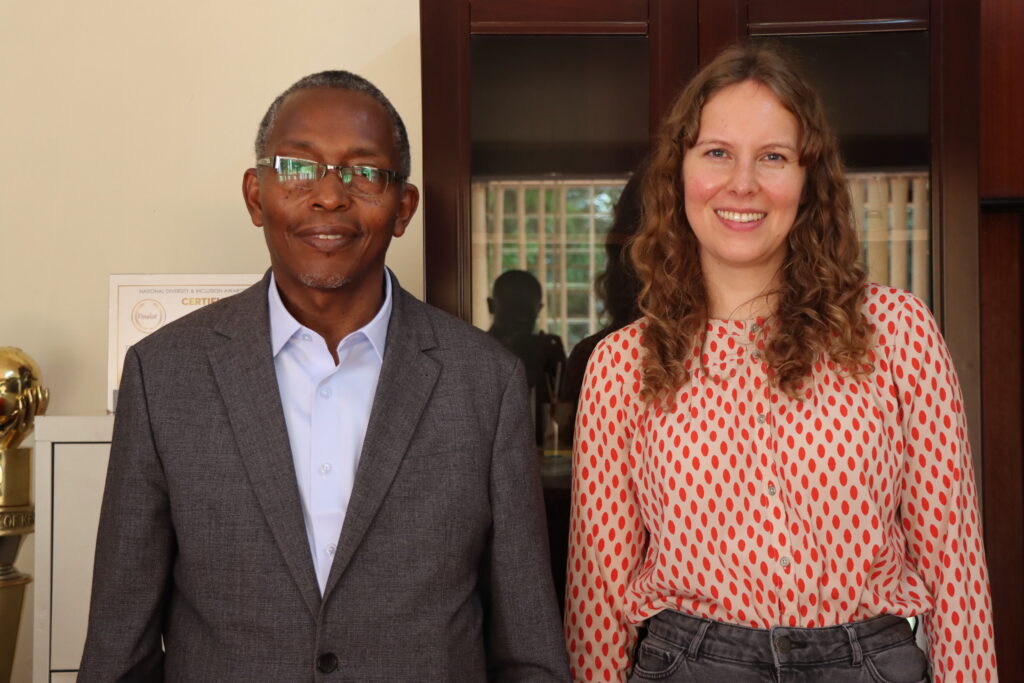
By Meshack M. Ngangi | January 24, 2025 The Co-operative University of Kenya continues to be a global leader and trailblazer in academia, especially with particular emphasis on cooperative training. This January 2025, we had the privilege of hosting Ms. Julia Beideck, a doctoral student in the Faculty of Management, Economics, and Social Sciences at the University of Cologne in Germany.  In an interview with Meshack Ngangi, a public relations officer at the university, Ms. Beideck, a Deutscher Akademischer Austauschdienst (DAAD) scholar, identified her keen interest in cultural cooperatives, which form the basis of her doctoral dissertation. She noted that there are cultural cooperatives in Germany, which are a relatively new subtype of cooperatives, giving examples of cinema cooperatives, theater cooperatives, and museum cooperatives, among which handicraft cooperatives exist. With an unquenched thirst for knowledge beyond borders, Ms. Beideck expressed academic curiosity about handicraft cooperatives triggered by a scientific paper she had engaged with. Given that Kenya’s cooperative movement is ranked the leading in Africa and seventh globally with an asset base of over 1 trillion Kenyan Shillings, her interest in collecting data on Kenyan handicraft cooperatives and enhancing a deeper understanding of them by attending (doctoral) courses has been further established. The data collected in combination with the insights gained from the university professors and faculty staff would essentially inform her planned scientific study paper, which would provide a comparative case study of a handicraft cooperative in Kenya and a handicraft cooperative in Germany. Expounding on her fulfilling experience, Ms. Beideck noted that both purposes of her academic exploration had been accomplished since she had the chance to collect the data and attend a few courses. “I met a few people. I had several conversations, for example, with the Vice-Chancellor, Prof. Kamau Ngamau, with different professors, PhD students, and the Co-operative Alliance of Kenya (CAK), and with several stakeholders here at the campus. So I’m really happy and glad to be here because I could fulfill both of my purposes,” said Julia. Further, Ms. Beideck highlighted that she achieved beyond her expectations because the opportunity to be in Kanya afforded her a chance to interact with many people, exchange ideas, and experience the kind and warm hospitality of everyone she met on a personal basis and in her research endeavors. The stay at the University was a golden opportunity for her to expand her network, especially scientific networks, by connecting with Kenyan scholars on diverse research perspectives. “I would recommend it to every PhD student, not only from Germany but maybe from the whole world, to apply for a DAAD scholarship. A lot of things are new and different, but if you are open and interested, respectful, and kind, you will experience the same, and things will come back to you in the same way,“ said Ms. Beideck. As her parting shot, Ms. Julia Beideck expressed that greater and groundbreaking achievements would be attained if researchers (worldwide) like her interested in cooperatives worked together since they have so much that connects them in terms of ideas, expertise, competencies, and interests.

An Exclusive Interview with Ms. Julia Beideck, DAAD Scholar Read More »

CUK CULTURAL FESTIVAL 2025

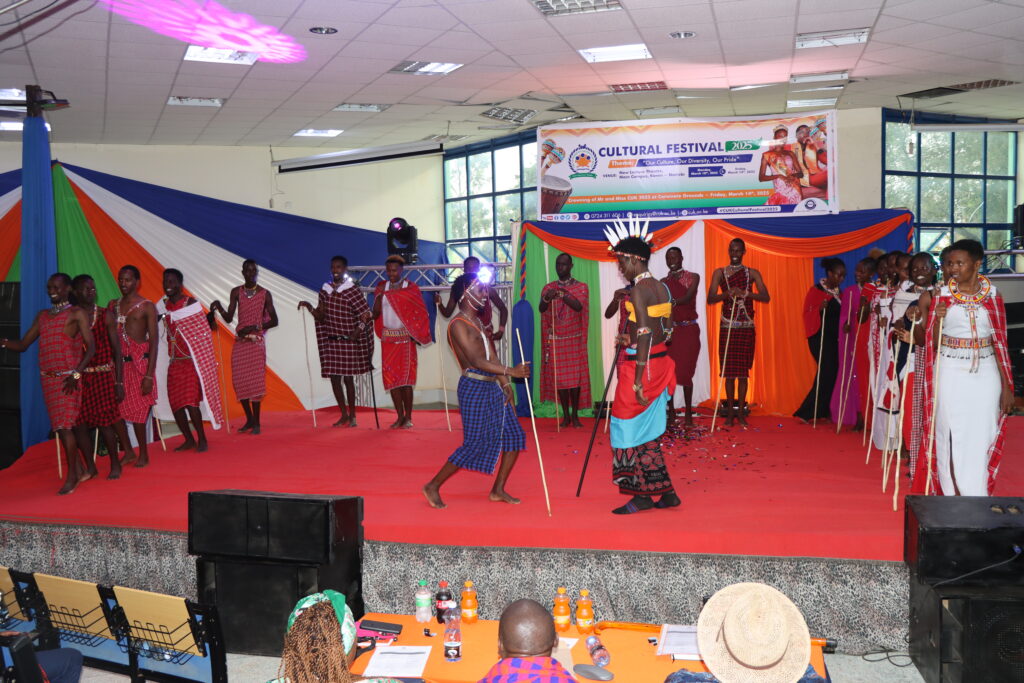
By Meshack M. Ngangi | March 18, 2025 The Cultural Festival 2025 presented a significant aspect of The Co-operative University of Kenya’s community since cultural diversity is a strength when celebrated as a fabric that holds any human society together. The week-long celebrations of different cultures within the CUK fraternity provided a platform for students and staff to celebrate their cultural heritage, showcase talents and creativity, and promote cultural diversity within a multicultural environment. The CUK Cultural Festival 2025 was celebrated under a unifying theme, “Our Culture, Our Diversity, Our Pride.” The festival assumed various genres, including music festivals, traditional dances, cultural wear exhibitions, sports and athletics, theatrical performances, and beauty pageantry as a means to promote cultural exchange and understanding. In the opening ceremony, Mr. Chris M. Kathoka, the Registrar of Finance, Planning, and Administration represented the Vice Chancellor in delivering the inaugural address. The day one event’s venue was filled to the brim with students, staff, and the Chief Guest from the Directorate of National Cohesion and Values. This informed the high regard the University upholds cultural diversity and celebrates its beauty of unifying the institution as a strength that complements our oneness in the spirit of cooperation.  “The University as a teacher of life, establishes the foundation and sustains academic excellence in developing society-suited holistic intellectuals. Cultural diversity is our inevitable human condition; however, this year’s Cultural Festival allows us to unite our voices to speak even louder to promote unique African diversity with pride,” the Ag. Vice Chancellor remarked. Mr. Edward Nyongesa Wafula, the Guest Speaker and the Deputy Director of the Directorate of National Cohesion and Values underscored that cultural events like the CUK Cultural Week 2025 are an excellent opportunity for the people of Kenya to come together and celebrate the beauty of our shared heritage – they are avenues that help to promote cultural understanding and foster a sense of community. The Cultural Festival opened with creative traditional dances and cultural wear exhibitions from the Maasai, Kamba, Kikuyu, Kalenjin, and Luhya communities which showcased the beauty of diverse cultural heritage. The cut-throat competition was a means to celebrate and uphold the beauty of our Institution’s cultural heritage, preserve cultural diversity, and appreciate cultural identities. The Luhya community carried the day with the best cultural dance presentation. Throughout the Monday to Friday Cultural Festival, different dressing themes were observed including, cultural regalia, official attire, denim wear, sportswear, and dinner wear, and the best-dressed individual of each day was awarded. Thursday, 13th March 2025, was a special day that presented sporting activities that were geared towards building, cementing, and sustaining a cordial relationship between the staff and students as both parties embarked on competitions of different sporting activities such as Football, Netball, Tug-of-war, egg race, sack race, 100 m and 200 m race, and rugby. In the Football men category, the Student’s Football team thwarted the Staff Team 2-1 with the Ladies’ Student’s Football team beating the Staff Team 1-0. Only ladies who participated in the Netball competitions with the Staff Netball team claimed the victory. Maureen Soyandet from the Admissions and Students Registry and Rodgers Oguta, a 4th-year student pursuing a Bachelor of Commerce in the School of Business and Economics, won the egg race in the ladies’ and men’s categories respectively. In sack race competitions, Maureen Simiyu, a staff in the Catering Department, and Omwambo Ogutu, a 3rd-year student pursuing a Bachelor of Science in Finance in the School of Business and Economics, won in the ladies’ and men’s categories respectively. In both the ladies’ and men’s categories, CUK Staff claimed victory for the tug-of-war, and student Rugby Team A won against their counterpart Team B. In the 100m race, John Brian (student), and Banice Wanjiku, a 3rd-year student pursuing a Bachelor of Commerce in the School of Business and Economics, won in the ladies’ and men’s categories respectively while Brian Mutuse, a 1st-year student pursuing a Bachelor of Business Management in the School of Business and Economics, and Lucy Katheu, a 2nd-year student pursuing a Diploma in Supply Chain Management in the Institute of Technical and Vocational Education and Training, in the 200m ladies’ and men’s categories. The final day of the CUK Cultural Festival 2025 went down at the Carnivore Grounds, Nairobi. Students and staff led by the Cultural Week Organizing Committee officials descended the venue donned in dinner wear as pomp, glamour, and class met the occasion. The major event was the beauty pageantry modeling contest and crowning of Mr. and Miss CUK 2025/2026. The Friday night Carnivore affair featured entertainment by a student artist, Iano Simi, and the Guest Artist, Tipsy Gee also known as Kelvin Njenga. The crown for Mr. and Miss CUK 2025/2025 was heavily contested with models exhibiting cutting-edge creativity and innovation in the beauty pageantry. Raymond Mutua and Brenda Cheronoh won the Mr. and Miss CUK 2025/2026 titles respectively. On the other hand, Chris Muga and Mutemi Damaris were the first (1st) runners-up for Mr. and Miss CUK, Eugine Kibet Rutto and Polly Owino were the second (2nd) runners-up for Mr. and Miss CUK while Ezra Hakeem and Clarice Akinyi carried the Mr. and Miss Congeniality 2025/2026 titles respectively.

CUK CULTURAL FESTIVAL 2025 Read More »